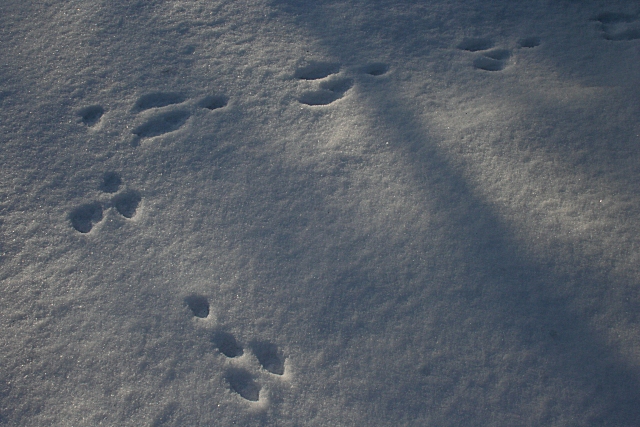
I grew up watching shows like Dr Quinn Medicine Woman where Sully could track animals and people and even tell how long ago something came through. Usually it was an indigenous person who seemed to have super-human knowledge of the wild and I thought it would be incredible to know the woods and animals that well. It’s like being a nature detective! Looking at tracks, scat, bite marks on trees or plants, and leaves and brush arranged into a nesting shape, it’s like hearing a conversation long after it happened.
As I said with one of the other lists – to see small things exercises the “noticing” muscle and not just for my kids, for me too! I’ve recently become more interested in caterpillars and did you know just how many different types of caterpillar frass there is!? Frass is caterpillar poop, or scat, and it ranges in texture and full-color spectrum. I would highly recommend The Caterpillar Lab website and Facebook page – they are working on a 2027 calendar full of up-close photos of frass.
You may find a free printable of my list of 17 books on  – again for FREE. 🙂
If you want to skip the download, you can find the list on both  or

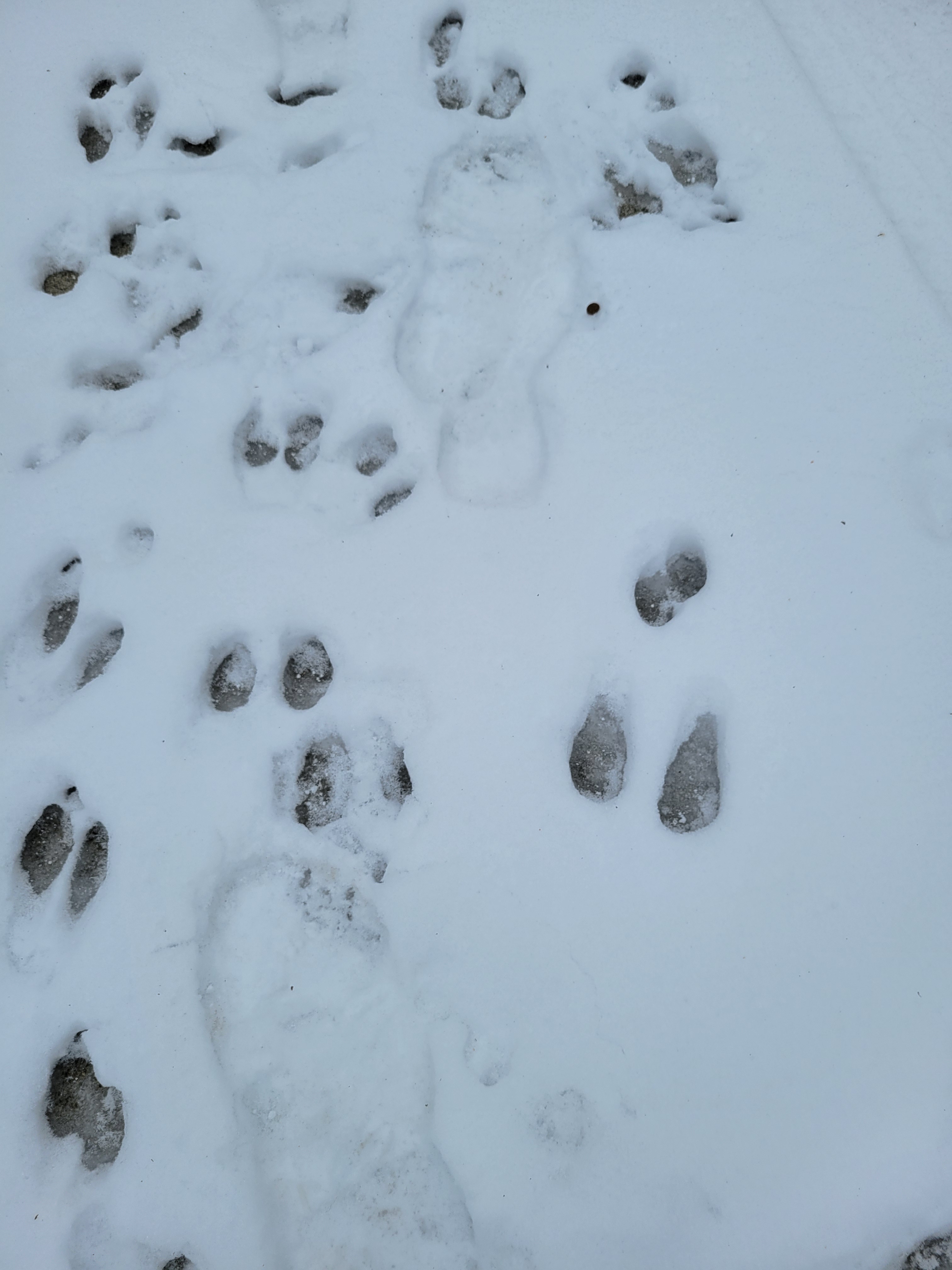
A good fresh snow is an easy way to find tracks and scat that stands out against the white. It’s also the only time you can find owl wing-prints! They are amazing! When the tracks are in mud or dirt, you can try and collect a plaster cast of it! In the book list are a couple books that have excellent techniques for making print casts. If you don’t have time or resources to cast out tracks, you can always take photos or make a quick drawing. Try carrying a tape measure to mark out dimensions and spacing between tracks.
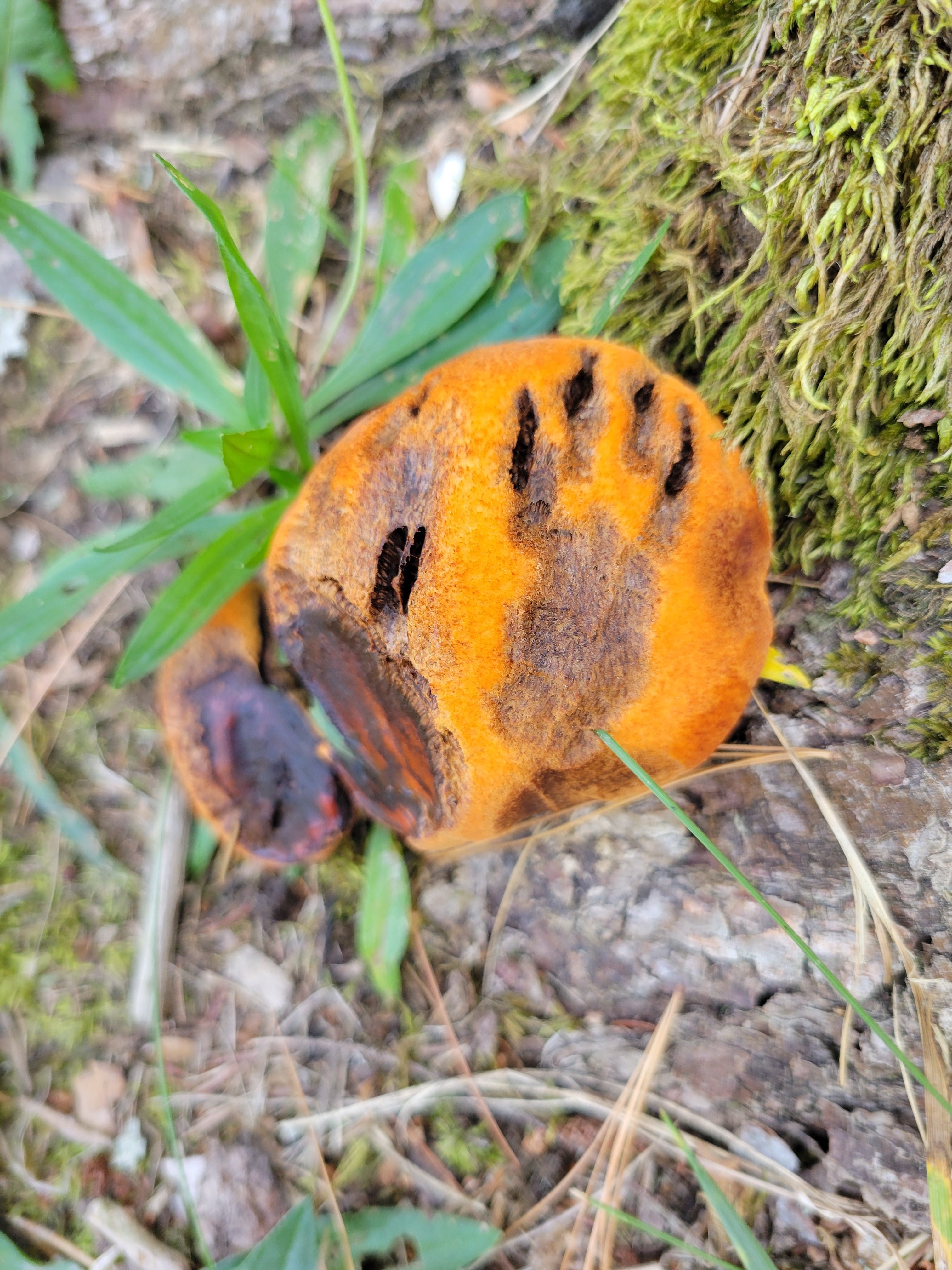
If you have any realistic plastic animal toys, you can use them to make tracks in some playdough, or air-dry clay. Whatever you choose to do, get outside and see what you can notice! There’s no telling what has been moving about your space.
Disclaimer: This site uses some affiliate links. This costs you nothing, but helps supplement our homeschooling costs. Thank you for your support!


Leave a Reply