I’m going to be very honest and let you know that I totally dropped the ball on the FIAR posts at this point. It’s been 3 years since we did this study and so I am going to have to revise the format of the lesson reviews as I have forgotten many details and I didn’t keep digital notes.
This book was a lot of fun to read and we really enjoyed learning the technical and geographical notes in the books. My son is pretty engineer-minded and he loves learning about different vehicles and the mechanics of it all.
Social Studies
I found a video of a man and his kid flying across the English Channel which was a lot of fun. We also went through these books on France to see landmarks, culture, and food.
Math
Teaching Roman Numerals at this young age was a bit tricky, but these lessons are more just setting out a buffet and introducing concepts. Neither kid was a reader at this point, but my then 5 year old loves numbers! To know there could be a “secret code” to mean numbers was a fun project.
Science
Science and technology was definitely the highlight with this book. We looked through lots of books on flight and airplanes. We also went to the nearby Museum of the US Air Force to see some of these planes in person – including a model of the Bleriot flyer! That was a special treat.
Additional Books:
Ok, do not sleep on The Adventures of John Jeffries. These kind of niche non-fiction picture books are golden resources! These two men attempt to cross the English Channel in a balloon and go through the science of getting lift and then coming down at the right time – even peeing off the side and disrobing to a point to lose excess weight.
We also looked at the story of Icarus who flew too close to the sun. Our primary curriculum (now) is Story of the World and so we revisited this particular story just this last year.
I did not choose a poem this week. My husband took a week of vacation, so we had plans to do some things throughout the week and I wanted to give us more time with him.
Disclaimer:This site uses some affiliate links. This costs you nothing, but helps supplement our homeschooling costs.
Our library didn’t have this book in their registry, but they ordered it for me to have on hand. What a place! I thought the text might be a little long and involved for my littles, but they have been very interested in the story. It doesn’t hurt that I have a strong connection to Japan, having lived there for a year back in 2008 to teach English with a church. I have also made it a point to take the kids to the only true Japanese restaurant that is local and familiarize them with the food, culture, and language.
Can I share something funny? You get spam calls a lot, right? I get them all the time and I got tired of answering them just to have them start rattling them off whatever pitch they have. So, about a year ago, I started answering my phone in Japanese if I didn’t recognize the number. It’s been a very fun and beautiful thing. They have no idea what to make of it. And, bonus, my kiddos often holler out, “konnichiwa!” whenever my phone rings. It has only backfired a couple times when it’s a doctor’s office or some other official call. Usually they laugh with me when I explain what is going on.
Social Studies
I love seeing pictures of Japan in these books and reading familiar words – testing out my katakana (one of the syllabaries) again. [My 5 yr old pointed to a “conbini” (convenient store) sign and asked what it said. I sounded out the katakana and realized it was “ta-ba-ko” (cigarettes).] I remember very little wildlife when I was living there beyond birds and insects, except when I was out in the country or visiting Hiroshima. But the kids were delighted with the pictures of snow monkeys in the hot springs.
Art
The crafts in this book are so fun and neat! We are looking forward to trying some others throughout, but I think we will do the Japanese-style tie-dye this time around. Simple supply lists and cultural tie-ins without appropriation for the win!
Math
This book was a little over our level as we have barely handled our numbers and counting and small grouping problems. This book asked us to practice subtracting and adding double-digit numbers. I would have done it a little differently, had I taken the time to read the book ahead (mom win!).
Science
We have read “Boy, Were We Wrong About the Weather!” once before, but it’s always a good time to revisit a book. For better or for worse, the 3 year old’s takeaway was to go through the house saying, “Boy, were we wrong!” to just about everything happening. I loved learning about meteorology when I was younger and I’m still fascinated with weather. I met a local weather man celebrity when I was a kid through Girl Scouts and it made a big impression on me.
Additional Books:
“Red Sky at Night” was a very easy read, but the illustrations are beautiful and picking through the sayings made us have to take our time. This book is filled with phrases used to “predict” the weather. At the back of the book, the author lists all the phrases and shares a brief explanation and whether it’s accurate or not. I read a few phrases I had forgotten hearing from my grandparents!
These books were super sweet stories, and all over the interests. Niki Nakayama is a biography of a professional Japanese-American chef. Natsumi’s Song of Summer is about cousins sharing a love of insects. And Hana Hashimoto, Sixth Violin is about a little girl wanting to carry the legacy of her ojichan (grandpa), a concert violinist. Another favorite book centering Japanese culture was “Ojichan’s Gift” also by Chieri Uegaki but we didn’t reread it this time around.
Here is a fun poem I found for this week. Even more special, my mom shared that she had memorized this poem when she was in 1st grade:
Who has seen the wind? Neither I nor you: But when the leaves hang trembling, The wind is passing through.
Who has seen the wind? Neither you nor I: But when the trees bow down their heads, The wind is passing by.
“Who Has Seen the Wind?” Christina Rossetti
Disclaimer:This site uses some affiliate links. This costs you nothing, but helps supplement our homeschooling costs.
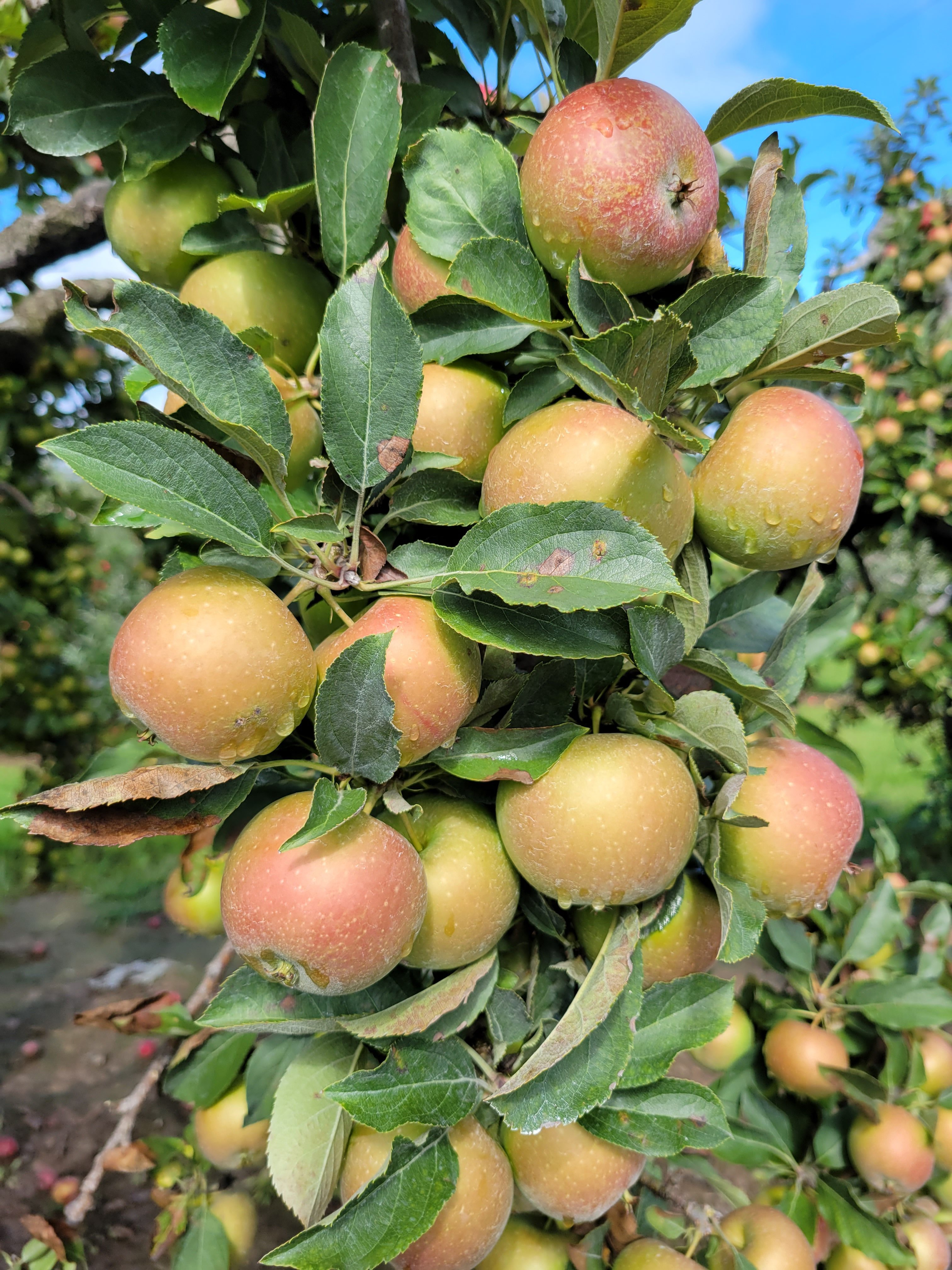
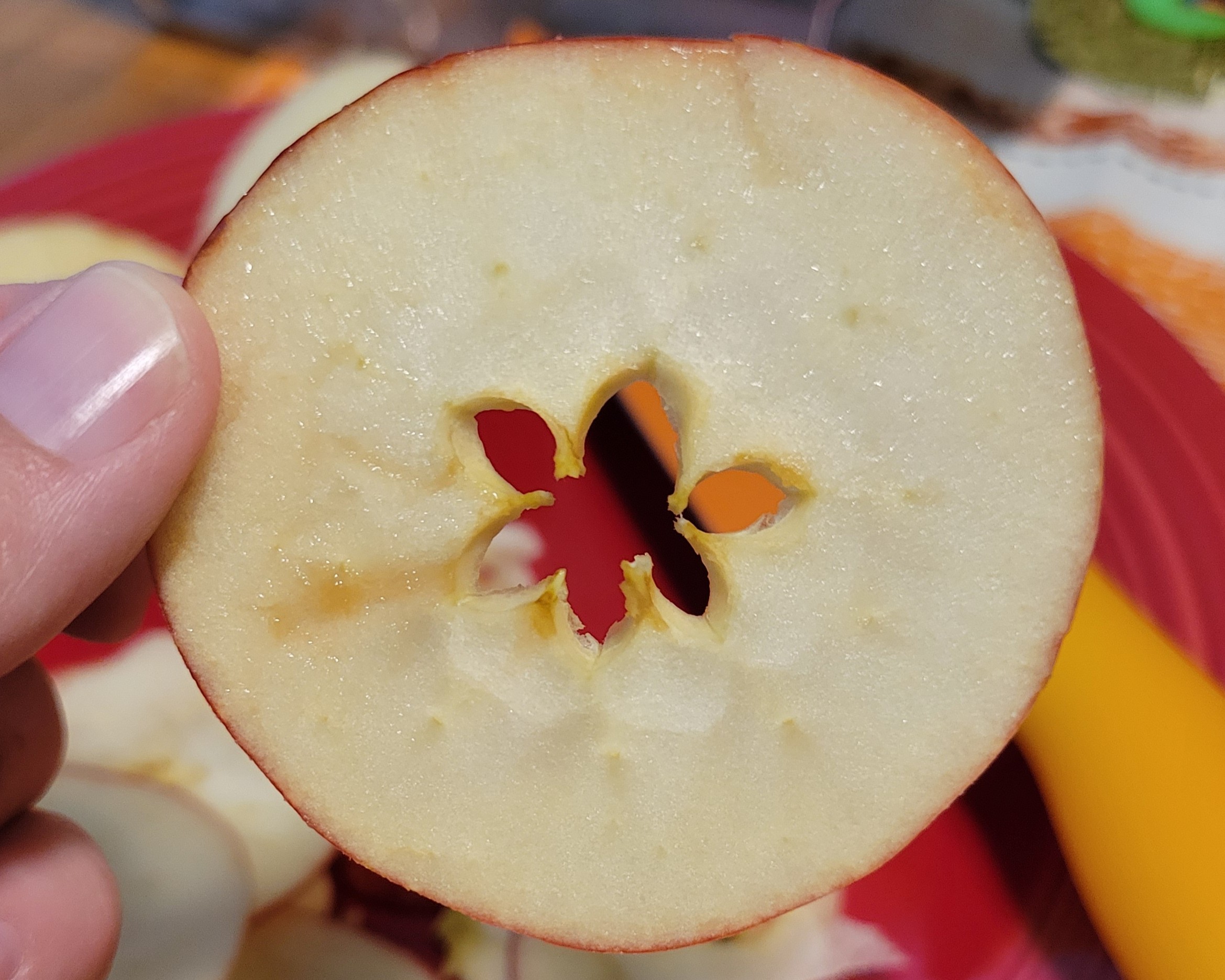
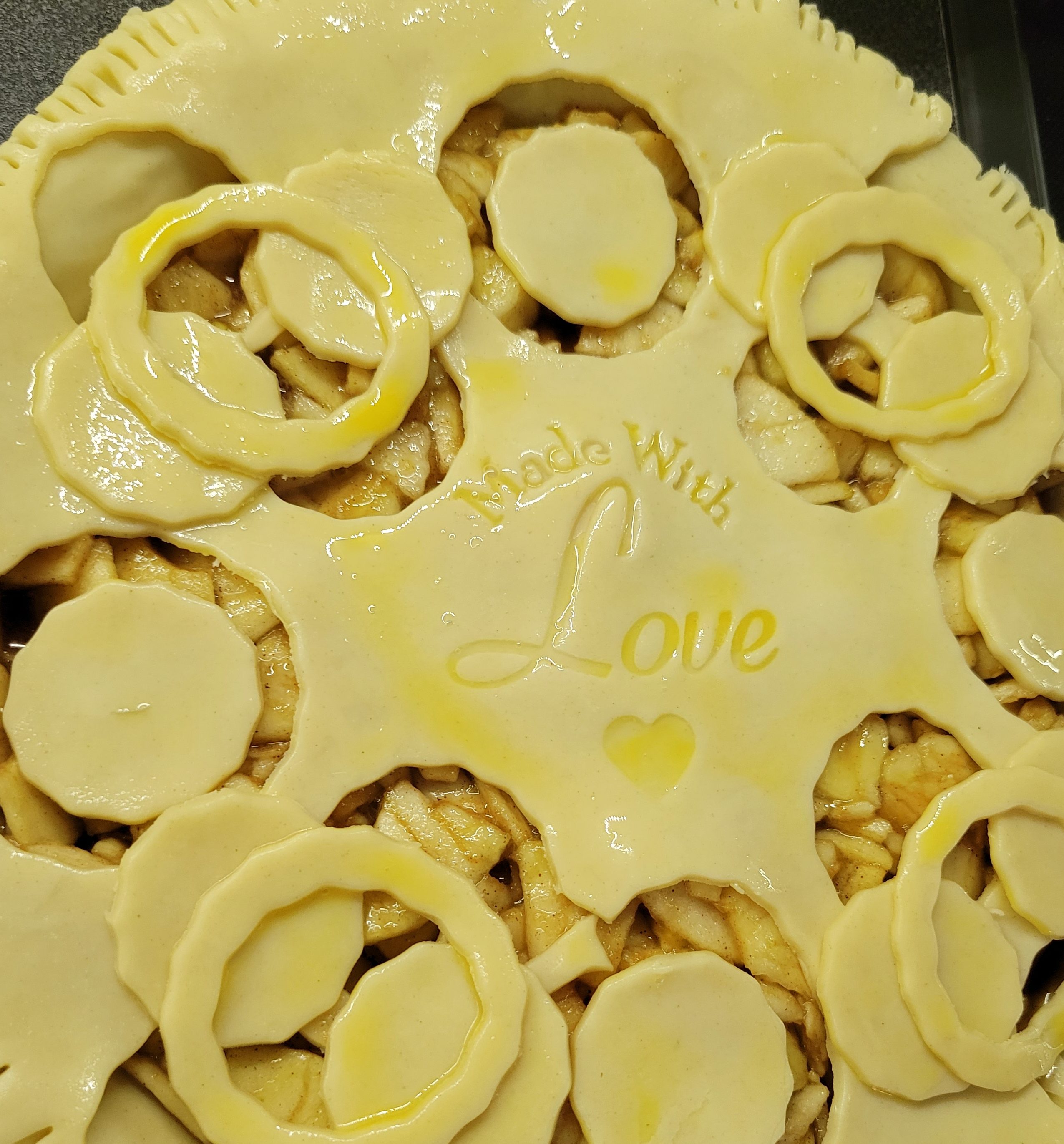
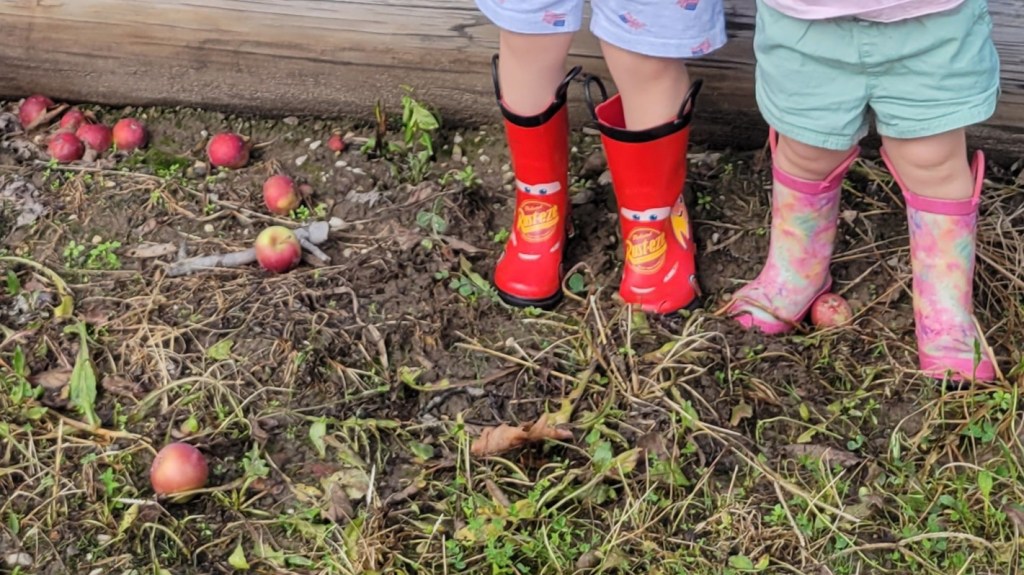
This book is all sorts of silly. We decided to do this one a little out of order from the curriculum so that it would time nicely with local apple harvest. We have a local orchard that, while we can’t pick them from the trees, we can peruse several varieties and pick up honey and other yummy treats. They make a mean cider too! I am excited to try making an apple pie with the kiddos – we will be having a family reunion this weekend and it will be fun to make something to share with everyone. I also took the many travels of the girl as an opportunity to learn the names of the continents.
Social Studies
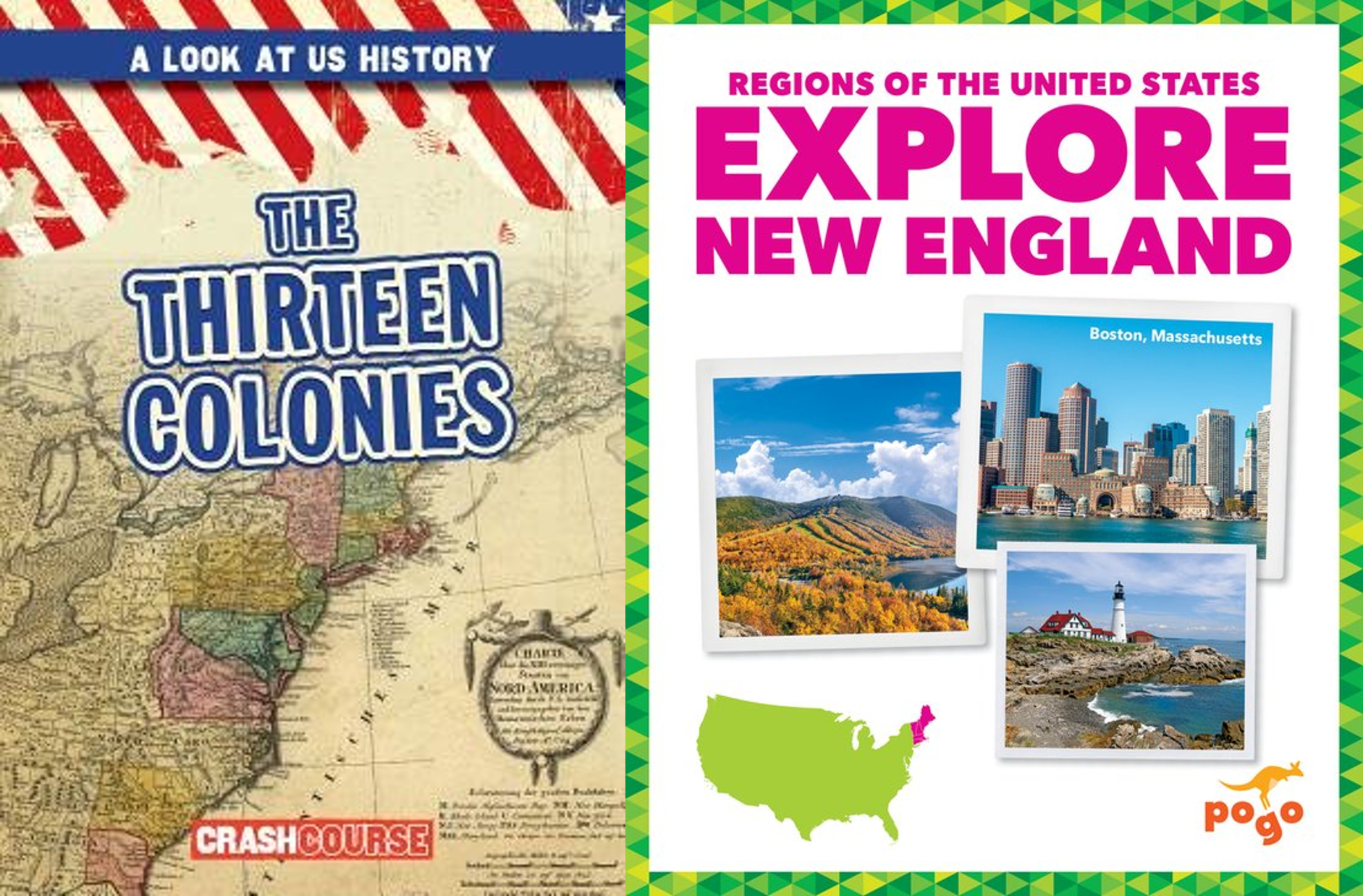
These books provide just enough information to be interesting for my 5 yr old without overwhelming him. We also enjoyed making the flags for Italy and France and marveled at how similar they were to each other! The library didn’t have the book on Sri Lanka in, so I found this book about cinnamon.
I think the kids were “geography”d out, so I stretched out this part over the whole week. We picked a new destination book for each day and that was still a little too much for the kids, but they are pretty little. I’m just real glad that I got the names of the continents in their vocabulary and hope to cement those in their minds.
Math
These books actually tied in real well with math this week. Who Knew? introduced sequencing as each wild animal group learns that Fall has come now. Bob and Pup-Pup are a good tie-in for baking practices and learning about measurements – however, there are no measurements mentioned in the book. We also found a video on YouTube of a guy showing how to bake an apple pie. My 5 year old has recently discovered baking videos, including the mini-chef videos, and was captivated.
Science
We were all set to make some apple pies today as our science lesson, but I have a sinus infection and just was not up for it. But we reviewed what foods are fruits and what are vegetables and where do they grow (under the ground, above the ground, on trees or bushes, etc). There was a fun experiment in the STEM book about growing broccoli flowers, so I think we’ll try that next week.
The Fresh Produce Guide book was a gift from my mom from a nearby international market called Jungle Jims. It’s quite the store and I highly recommend the Fairfield one if you’re ever in the Cincinnati area. This guide lists which produce is grown/available in which seasons, how to store it, prepare it, what it pairs well with, what spices to use with it, and the general nutrition facts. I use this book more than I ever thought I would.
I would also recommend this video on YouTube by SciShow – it’s the grown-up version, which is kid safe, but might be a little technical and go over little guys’ heads. Just FYI, but the title is, “What Happens When Food Goes Bad.”
Additional Books
These books were very helpful in establishing map intelligence and the life cycle of an apple. We did an apple study last year through Treehouse Schoolhouse but it’s always helpful to repeat lessons, especially with my little little ones. Me on the Map was fun and helped us imagine ourselves on the map. When I was in 7th grade, I told my social studies teacher that I wanted to be a cartographer when I grew up. She disdainfully told me that everything had been discovered and we wouldn’t need mapmakers anymore. I believed her. But now, I know that map skills are still immensely valuable. It means a lot to me to be able to hear the name of a place and be able to find it on a map because I have cultivated that skill. I hope my kiddos have the same knowledge as they get older.
Here is a fun poem I found for memory work this week, “If I Were an Apple”:
If I were an apple And grew upon a tree, I think I’d fall down On a good boy like me. I wouldn’t stay there Giving nobody joy; I’d fall down at once And say, “Eat me, my boy.”
Anonymous
Disclaimer:This site uses some affiliate links. This costs you nothing, but helps supplement our homeschooling costs.