I remember in high school when we had to present a cultural oral report in our social studies class. It was to be about storytelling in different cultures. I had been fascinated by the stars and how cultures (at the time, I believed only the Greeks and maybe the Romans) had taken their epic stories and placed them into the stars. It had a dual purpose – help people remember the plots of the stories and remember where the stars are and their significance. I went about 5 or 10 minutes over my time limit and our teacher graciously let me because we were all engaged in the lesson.
My book list includes not only non-fiction books about stars and scientists who study them, or sweet picture books about stars, like Eric Carle’s “Draw Me a Star,” but also several cultural ties including the Underground Railroad from the 1800s.
You may find a free printable of my list of 21 books on  – again for FREE. 🙂
If you want to skip the download, you can find the list on both  or

I’ve since learned that the Greeks were not unusual in their study of the skies and the paths of the stars and planets. East Asia, Africa, and the southern continents also have their own stories tied to constellations. I am grateful for the dearth of material available while studying with my kids so that I can also learn about the many ways cultures and nations have used the stars for their own purposes.
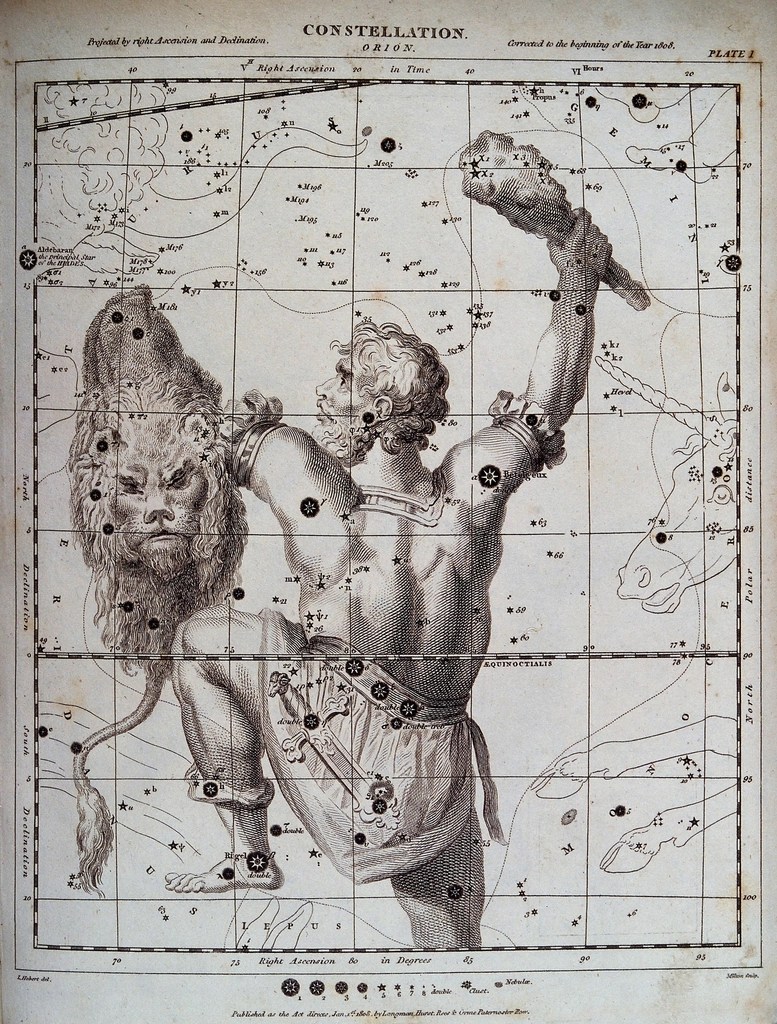
A fun activity to do with your kids is to make a star box! You will need a light source (maybe a battery-powered tea light, or a flashlight that can be propped up), a cardboard box, black construction paper, and something to poke holes with, maybe a small screwdriver or pencil tip. Remove one side of the box, leave the rest intact and strong. Poke holes of varying sizes (nothing too big, though) in the construction paper. Try following a real star map for some familiar constellations, or create your own! Then, with the light source inside the box, facing the open side, tape the construction paper across the opening. Place in a room with a clear ceiling and turn off the lights! Stargazing outside is of course preferable, but if you live in a place with high light pollution, uncooperative weather, or you have littles who just can’t stay up that late, this is a great alternative!
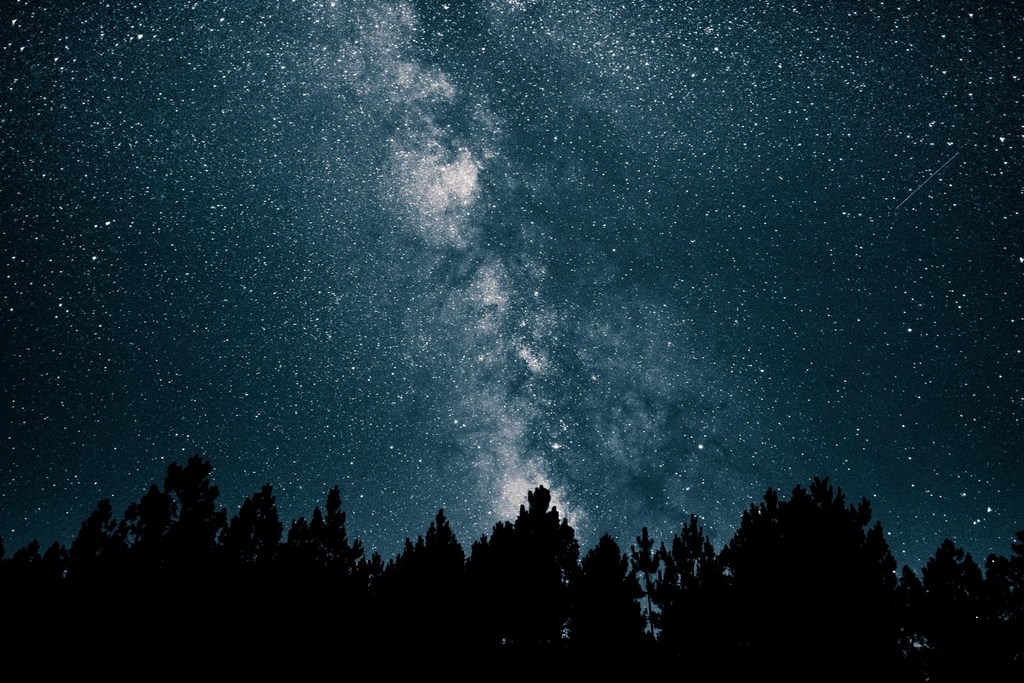
The best option, of course, is to get outside in the dark and see the stars yourself. It saddens me that some children (and grownups!) have never really star-gazed before. During the pandemic, I remember when some power-outages happened after a big storm and emergency services reported several concerned calls about the bright blemish in the night sky – referring to the Milky Way!
One of our nearby state parks is working to get a Dark Sky certification and it’s been so neat learning about what is required and all the ways that a dark sky is so important. Did you know that most birds make their migrations in the dark? That’s why bright exterior lights and bright cities can be so hazardous to birds. Also, many insects and even plants require regular periods of darkness.
We have been trained through fear that darkness is dangerous and evil. Of course safety is important, but darkness is a beautiful thing. Human actually have pretty good night vision, but it does take time to adjust and to strengthen. If you want more information about the importance of dark skies, please check out Dark Sky International. It is an incredible organization with lots of resources – would make a good resource for unit studies in your homeschool, whatever the age!
Disclaimer: This site uses some affiliate links. This costs you nothing, but helps supplement our homeschooling costs. Thank you for your support!